How to Choose the Right Travel Insurance for Your Next Trip
When planning your next trip,
travel insurance
is a crucial aspect to consider. We will guide you through selecting the right travel insurance for your needs, ensuring you're protected against unforeseen circumstances.
Selecting the right travel insurance policy can be overwhelming, but we're here to help. In this article, we will explore the basics of travel insurance, key coverage features, and cost-saving strategies.
Key Takeaways
- Understand the basics of travel insurance and its importance.
- Learn how to choose a policy that fits your needs.
- Discover key coverage features to look for in a policy.
- Compare different insurance providers effectively.
- Implement cost-saving strategies for your travel insurance.
Understanding Travel Insurance Basics
The world of travel insurance can be complex, but understanding its basics can help you navigate it more effectively. As you plan your next trip, it's essential to know what travel insurance covers, the different types of policies available, and why it's particularly important for international travel.
What Travel Insurance Actually Covers?
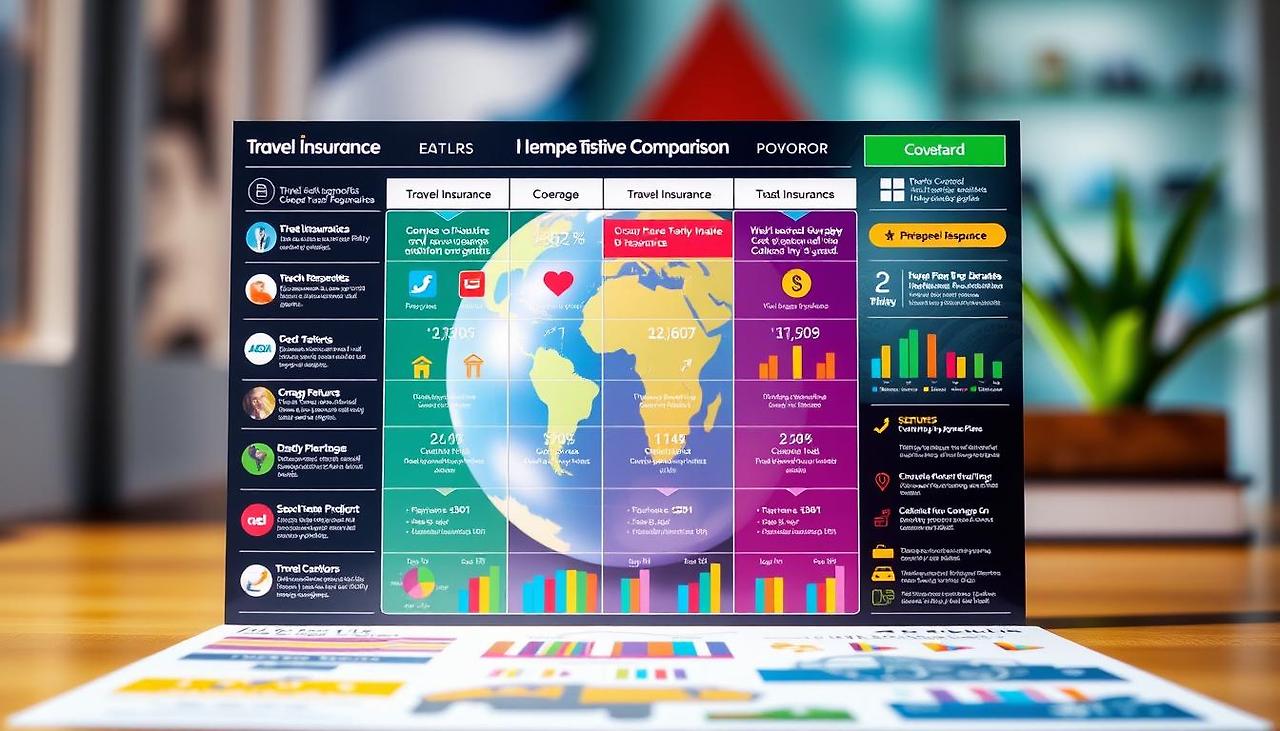
Travel insurance is designed to protect you against various risks associated with traveling, including medical emergencies, trip cancellations, and lost or stolen luggage.
Travel insurance plan features
can vary significantly between providers, so it's crucial to understand what's included and what's not in your policy.Typically, travel insurance covers unexpected medical expenses, trip cancellations or interruptions, and baggage loss or delay. Some policies may also offer additional coverage for adventure activities or travel delays.
Common Types of Travel Insurance Policies
There are several types of travel insurance policies available, catering to different travel needs. These include single-trip policies, annual multi-trip policies, and specialized policies for specific activities or demographics. When choosing a policy, consider your travel frequency and the types of activities you plan to engage in.
Why Travel Insurance Is Essential for International Travel
International travel often involves significant financial investment and exposure to new environments, increasing the risk of unforeseen events. Travel insurance provides a safety net, ensuring that you're protected against financial losses due to medical emergencies, trip cancellations, or other travel-related issues.
Special Considerations for US Travelers
For US travelers, it's essential to consider the specific requirements and recommendations that apply. This includes understanding how your existing health insurance interacts with travel insurance and being aware of any travel advisories or health concerns for your destination.When comparing policies, US travelers should look for coverage that includes medical evacuation, as this can be particularly costly. Using a
travel insurance comparison
tool can help you find the most suitable policy for your needs.
How to Choose the Right Travel Insurance for Your Next Trip
Travel insurance is not a one-size-fits-all solution; it requires careful consideration of your specific travel needs. When selecting a policy, you must assess various factors to ensure you're adequately protected.
Assessing Your Specific Travel Needs
To choose the
best travel insurance coverage
, start by evaluating your travel plans. Consider the type of trip you're taking, whether it's a relaxing vacation or an adventure-filled excursion. Think about the activities you plan to engage in and the potential risks associated with them.For instance, if you're planning to participate in extreme sports like skiing or scuba diving, you'll need a policy that covers these activities. On the other hand, if you're embarking on a leisurely cruise, your insurance needs will be different.

Matching Coverage to Your Destination
The destination of your trip plays a significant role in determining the type of travel insurance you need. Different countries have varying levels of medical care and emergency services. For example, traveling to a country with limited medical facilities may require more comprehensive coverage.Additionally, some countries may have specific requirements or recommendations for travel insurance. Researching your destination's requirements can help you choose a policy that meets these needs.
Considering Trip Duration and Frequency
The duration and frequency of your trips are also crucial factors in selecting the right travel insurance. If you take multiple trips throughout the year, an annual policy might be more cost-effective than purchasing separate policies for each trip.For longer trips, you may need a policy that provides extended coverage. It's essential to
compare travel insurance policies
that cater to your specific needs regarding trip duration.
When to Purchase Your Policy for Maximum Protection
Timing is everything when it comes to buying travel insurance. Purchasing a policy early can provide maximum protection. Many policies offer benefits like trip cancellation insurance if you buy the policy soon after booking your trip.
Understanding when to purchase your policy can help ensure you're protected against unforeseen circumstances that might affect your travel plans.
| Factor | Considerations | Impact on Policy Choice |
| Destination | Medical care quality, travel advisories | Level of medical coverage needed |
| Trip Duration | Length of stay, frequency of travel | Type of policy (single-trip vs. annual) |
| Activities | Type of activities (e.g., adventure sports) | Additional coverage requirements |
"Travel insurance is an essential component of trip planning. It provides financial protection against unforeseen events that could impact your travel plans."
Travel Insurance Expert
Key Coverage Features to Look For
To ensure you're adequately protected, you need to know what key coverage features to look for in a travel insurance policy. When selecting a policy, it's essential to consider several critical components that can provide comprehensive travel insurance benefits.
Medical Emergency Coverage
Medical emergency coverage is a crucial aspect of travel insurance. It covers expenses related to medical treatment, hospital stays, and prescriptions if you fall ill or get injured during your trip. Look for policies that offer sufficient medical coverage, including evacuations if necessary.
COVID-19 Related Protections
In the current travel landscape, COVID-19 related protections are also vital. Many insurance providers now include COVID-19 coverage in their policies, which can cover medical expenses, trip cancellations, or interruptions due to the virus. Ensure that your policy explicitly includes COVID-19 coverage.
Trip Cancellation and Interruption Protection
Trip cancellation and interruption protection reimburses you for pre-paid, non-refundable travel expenses if your trip is cancelled or cut short due to unforeseen circumstances. This can include illness, natural disasters, or travel advisories. Understanding the reasons that are covered under this protection is crucial.
Baggage Loss and Delay Coverage
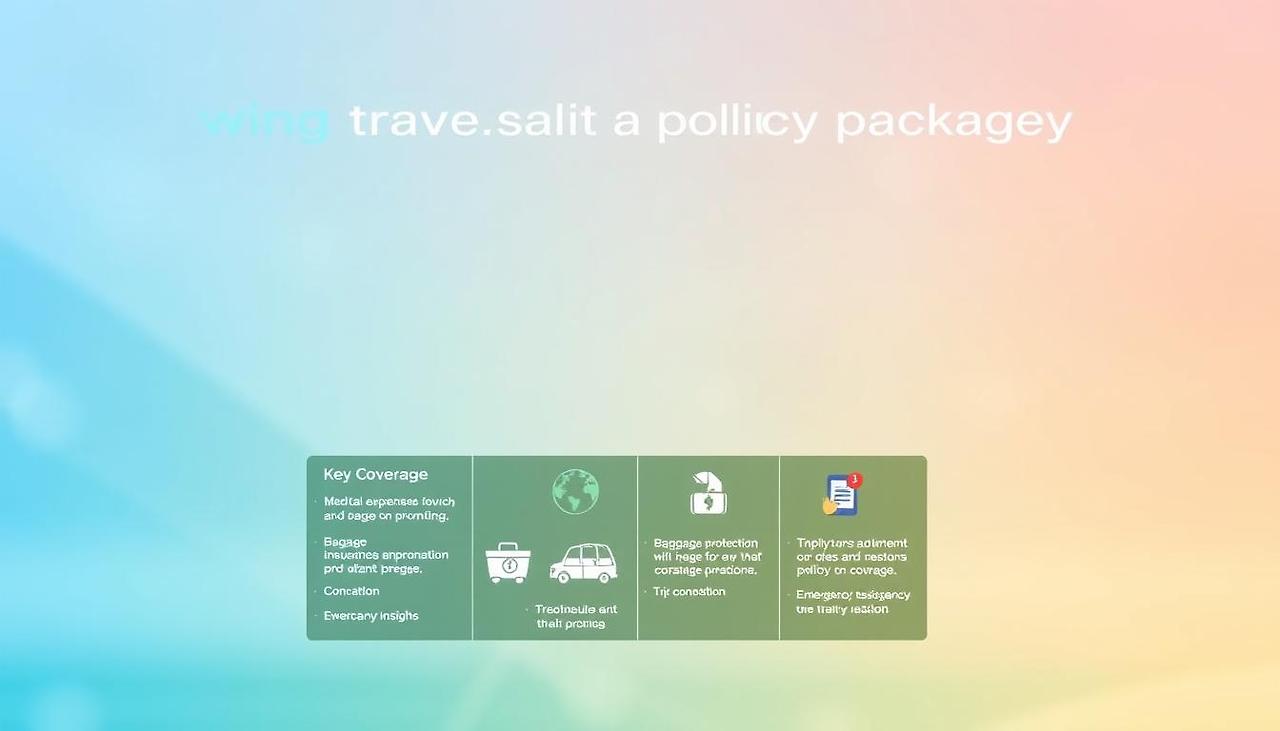
Baggage loss and delay coverage provides compensation if your luggage is lost, stolen, or delayed. This can help you purchase essential items or replace clothing and other necessities while waiting for your baggage to be returned.
Emergency Evacuation Insurance
Emergency evacuation insurance covers the cost of emergency transportation to the nearest adequate medical facility or back home if you're injured or ill. This can be particularly important for trips to remote areas with limited medical facilities.
Adventure Activity and Sports Coverage
If you plan to engage in adventure activities or sports during your trip, such as skiing, diving, or hiking, ensure that your policy covers these activities. Many standard policies exclude coverage for high-risk activities, so you may need to purchase additional coverage.
When comparing policies, it's helpful to summarize the key features in a table to make an informed decision:
| Coverage Feature | Description | Importance Level |
| Medical Emergency Coverage | Covers medical expenses, hospital stays, and prescriptions. | High |
| Trip Cancellation and Interruption | Reimburses pre-paid, non-refundable expenses due to trip cancellation or interruption. | High |
| Baggage Loss and Delay | Compensates for lost, stolen, or delayed luggage. | Medium |
| Emergency Evacuation | Covers emergency transportation to a medical facility or back home. | High |
| Adventure Activity and Sports | Covers participation in high-risk activities. | Variable |
By understanding these key coverage features, you can choose a travel insurance policy that provides affordable travel insurance options tailored to your needs, ensuring a more secure and enjoyable trip.
Comparing Travel Insurance Providers
The key to finding the perfect travel insurance lies in comparing various insurance providers. When we compare different providers, we can identify the strengths and weaknesses of each policy, ensuring we choose the one that best fits our travel needs.
Top-Rated Travel Insurance Companies in the US
Some of the top-rated travel insurance companies in the US include Allianz, TravelGuard, and Travelex. These companies offer a range of policies that cater to different types of travelers.
For instance, Allianz is known for its comprehensive coverage and flexible plans, while TravelGuard offers robust medical emergency coverage.
Using Comparison Websites Effectively
Utilizing comparison websites is an efficient way to compare travel insurance providers. Websites like InsureMyTrip and SquareMundo allow us to compare multiple policies side-by-side, making it easier to identify the best option.
Reading the Fine Print: Exclusions and Limitations
It's crucial to read the fine print when comparing travel insurance policies. Understanding the exclusions and limitations can help us avoid unexpected surprises when filing a claim.
Customer Service and Claims Process Evaluation
Evaluating the customer service and claims process of a travel insurance provider is also vital. We should look for providers with a reputation for efficient claims processing and responsive customer service.
| Provider | Medical Coverage | Trip Cancellation | Customer Service Rating |
| Allianz | $1 million | 100% | 4.5/5 |
| TravelGuard | $500,000 | 150% | 4.2/5 |
| Travelex | $750,000 | 100% | 4.0/5 |
Cost-Saving Strategies for Travel Insurance
Travelers can significantly reduce their insurance costs by adopting a few simple strategies. By understanding the nuances of travel insurance policies, you can save money without compromising on coverage.
Choosing the right type of policy is crucial. One of the primary considerations is whether to opt for an annual or single-trip policy.
Annual vs. Single-Trip Policies
Annual policies cover multiple trips within a year, making them ideal for frequent travelers. For instance, if you take more than two trips in a year, an annual policy can be more cost-effective. On the other hand, single-trip policies are suitable for those who travel less frequently.
As Forbes advises, "If you're a frequent traveler, an annual policy can save you money in the long run."
Credit Card Travel Benefits vs. Standalone Policies
Some credit cards offer travel insurance benefits, which can be a cost-effective alternative to standalone policies. However, it's essential to compare the coverage offered by your credit card with standalone policies to ensure you're getting adequate protection.
Group and Family Insurance Options
For families or groups traveling together, group insurance policies can be more economical. These policies often provide discounted rates for multiple travelers.
"Group travel insurance can be a great way to save on premiums while ensuring that everyone in your group is protected," according to
"travel insurance experts."
Deductibles and Their Impact on Premium Costs
Higher deductibles can lower your premium costs, but be aware that you'll need to pay more out-of-pocket in case of a claim. It's a trade-off between premium costs and potential claim expenses.
By considering these cost-saving strategies, you can find affordable travel insurance options that meet your needs. Effective planning and understanding of the available options can help you save on travel insurance without compromising on coverage.
Secure Your Next Trip with the Right Travel Insurance
Choosing the right travel insurance for your next trip is crucial for a stress-free travel experience. We have walked you through the essential steps to make an informed decision, from understanding travel insurance basics to employing cost-saving strategies.
By assessing your specific travel needs and matching coverage to your destination, you can enjoy comprehensive travel insurance benefits that protect you against unforeseen circumstances. Whether you're a frequent traveler or embarking on a one-time trip, selecting the right policy ensures you're covered.
As you prepare for your next trip, we encourage you to apply the insights gained from our guide to
how to choose the right travel insurance for your next trip
. With the right coverage, you can travel with confidence, knowing you're protected.
FAQ
What is travel insurance, and why do I need it?
Travel insurance is a type of insurance that protects you against unforeseen circumstances while traveling, such as trip cancellations, medical emergencies, and lost or stolen luggage. We believe it's essential to have travel insurance to ensure you're covered in case something goes wrong during your trip.
How do I choose the best travel insurance policy for my needs?
To choose the best travel insurance policy, we recommend assessing your specific travel needs, considering your destination, trip duration, and frequency. You should also compare different insurance providers, looking for key coverage features such as medical emergency coverage, trip cancellation and interruption protection, and baggage loss and delay coverage.
What is the difference between annual and single-trip travel insurance policies?
Annual travel insurance policies provide coverage for multiple trips within a year, while single-trip policies cover only one trip. We suggest opting for an annual policy if you travel frequently, as it can be more cost-effective.
Can I purchase travel insurance after booking my trip?
Yes, you can purchase travel insurance after booking your trip. However, we advise buying it as soon as possible to ensure you're covered in case of unforeseen circumstances, such as trip cancellations.
What is typically not covered by travel insurance?
Travel insurance typically does not cover pre-existing medical conditions, unless you purchase a policy that includes a pre-existing condition waiver. We also recommend checking the policy's exclusions and limitations, as they may vary between providers.
How do I file a claim with my travel insurance provider?
To file a claim, you should contact your insurance provider and provide the required documentation, such as receipts and medical records. We recommend checking the provider's claims process and customer service before purchasing a policy.
Can I get travel insurance if I have a pre-existing medical condition?
Yes, you can get travel insurance with a pre-existing medical condition, but you may need to purchase a policy that includes a pre-existing condition waiver. We advise carefully reviewing the policy's terms and conditions to ensure you're adequately covered.
How do credit card travel benefits compare to standalone travel insurance policies?
Credit card travel benefits may offer some travel insurance coverage, but it may not be as comprehensive as a standalone policy. We recommend comparing the two options to determine which one best suits your needs.